Child Development
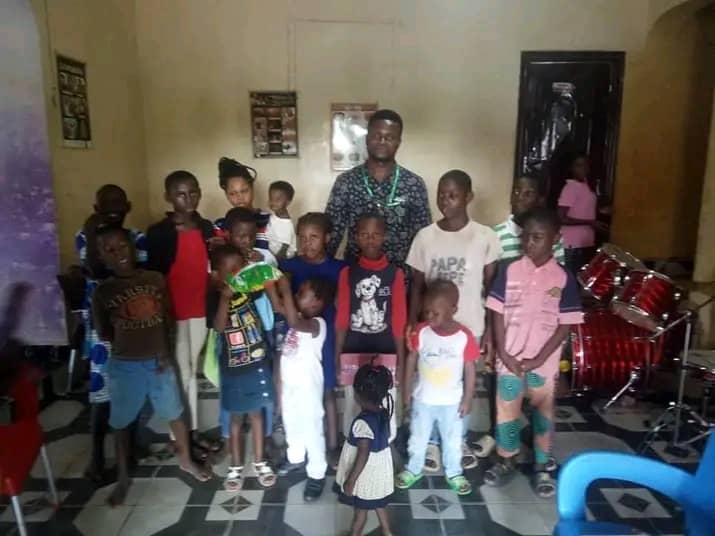
Supporting initiatives that promote children's education, development, wellbeing and future opportunities.
Nigeria · Pan-African
Anagkazo Child Hope Foundation is committed to creating sustainable opportunities for vulnerable children, young people and women through education, skills development, entrepreneurship, employment and community development.
Who We Are
Anagkazo Child Hope Foundation is a Nigerian-based organization committed to improving the lives and opportunities of children, young people and women.
We believe that every person deserves an opportunity to develop their potential, acquire useful skills and participate meaningfully in the economic and social development of their community.
Through education, skills development, entrepreneurship, mentorship and strategic partnerships, we work toward creating sustainable pathways to opportunity.
Learn More About Anagkazo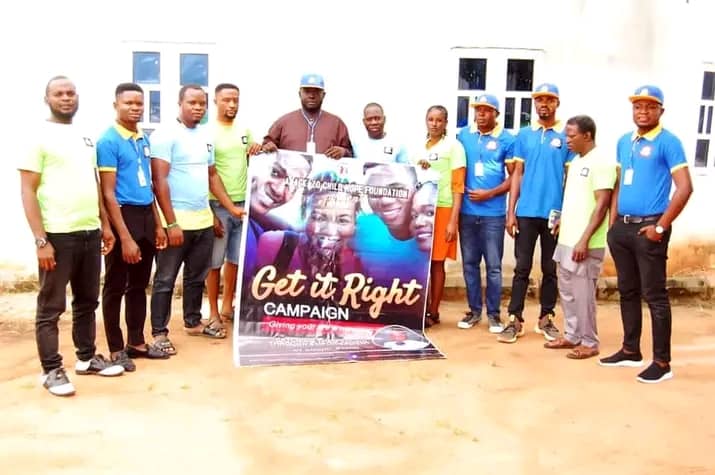
What We Do
Six areas of work, one purpose - turning potential into livelihood.
Supporting initiatives that promote children's education, development, wellbeing and future opportunities.
Equipping young people with practical and marketable skills for employment, self-reliance and entrepreneurship.
Supporting women with skills, entrepreneurship opportunities and pathways toward economic empowerment.
Helping entrepreneurs and small businesses develop, grow and create sustainable economic opportunities.
Promoting digital skills and technology-enabled opportunities for people and businesses.
Working with communities and partners to develop practical responses to social and economic challenges.
Pan-African Initiative
One Vision. One Africa. Millions of Possibilities.
Get It Right Africa is a Pan-African initiative designed to create opportunities for young people and women while supporting skills development, entrepreneurship, employment, business growth and economic inclusion.
Why Support Anagkazo
Help people acquire practical skills that can improve their economic opportunities.
Support people to turn skills and ideas into sustainable businesses.
Create opportunities for women to participate more fully in economic activity.
Help create better pathways for the next generation.
When you support Anagkazo, you are not simply giving money. You are helping create opportunities that can continue to benefit individuals, families and communities.
Support Our WorkOur Work in Pictures
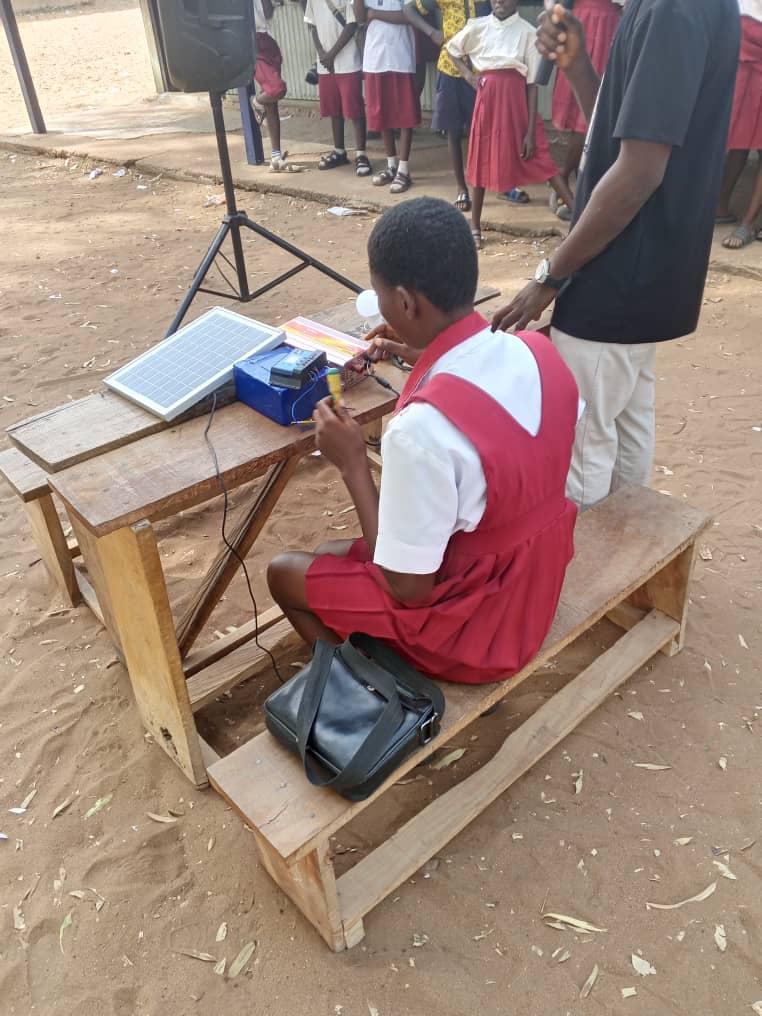
Photographs from our programmes, training sessions and community outreach.
Swipe to see them all
Stories
Stories of transformation through the Get It Right Africa campaign.
These are programme stories from our campaign.
Moses Ejo started with very little capital and limited opportunities to earn a sustainable income. Like many young people, he had skills and determination but lacked the practical support, mentorship and resources needed to turn his abilities into a business. Through the Get It Right Africa campaign, implemented through Anagkazo Child Hope Foundation, Moses was introduced to practical entrepreneurship and vocational skills. He received training that helped him understand not only how to produce goods and services, but also how to identify customers, price his products, manage money and build a sustainable enterprise. What began as a small opportunity gradually became a source of livelihood. Moses moved from depending largely on occasional income to taking entrepreneurship seriously as a full-time occupation. Today, Moses represents the kind of transformation the campaign seeks to achieve: turning skills into income, income into a business, and a business into a sustainable livelihood.
Adalache Samuel had the desire to become economically independent but faced the common challenge of many young Africans: having potential without adequate access to business opportunities. Through the Get It Right Africa initiative, Samuel received practical training and encouragement to develop his entrepreneurial abilities. The program helped him see that vocational skills could become more than something to learn — they could become the foundation of a business. With mentorship and practical guidance, Samuel began taking small steps toward establishing himself commercially. He learned the importance of consistency, customer relationships, reinvestment and responsible financial management. His journey demonstrates how the right training combined with mentorship and opportunity can change the direction of a young person's life. Samuel is now pursuing entrepreneurship as a serious livelihood rather than simply searching for employment.
John Mark joined the program with an interest in learning a practical skill and improving his economic circumstances. The Get It Right Africa campaign gave him an opportunity to receive hands-on training while exposing him to the principles of entrepreneurship. Instead of concentrating only on technical skills, the program encouraged John to think about customers, markets and the possibility of creating employment for himself and others. After completing his training, John began applying what he had learned commercially. His first steps were modest, but he continued improving his skills and building his customer base. Over time, what started as training became a business pathway. John Mark's story reflects one of the central objectives of Get It Right Africa: helping young people move from waiting for jobs to creating economic opportunities for themselves.
Israel Agegu wanted a better economic future but needed an opportunity to develop practical skills and entrepreneurial confidence. Through Anagkazo Child Hope Foundation's involvement in the Get It Right campaign, Israel gained access to training designed to connect skills with real economic opportunities. The program helped him understand that becoming a successful entrepreneur requires more than technical ability. It requires discipline, planning, customer service, financial management and the willingness to start small. Israel began putting his training into practice and gradually developed his activities into a source of income. Rather than seeing his future only through the lens of employment, Israel began seeing himself as someone capable of building an enterprise.
Blessing Fidelebere represents the importance of including women in economic empowerment programs. Before her involvement with the Get It Right campaign, Blessing had the desire to become financially independent but needed practical skills and an opportunity to develop them. Through the program, she received training and entrepreneurial guidance designed to help her convert practical knowledge into economic activity. Blessing learned how to develop her skills into products or services that people would actually pay for. She also gained greater confidence in managing a small business and dealing directly with customers. Her journey from learner to entrepreneur illustrates why women's economic empowerment is a core component of Get It Right Africa — when women receive skills, opportunity and support, they become creators of value rather than merely recipients of assistance.
One of the most important principles of the Get It Right campaign is that training should not end when a certificate is received. This beneficiary began the journey by learning a practical skill but initially had no clear pathway toward turning that skill into a sustainable livelihood. Through the program's emphasis on entrepreneurship, mentorship and market access, the beneficiary learned how to move beyond training and begin thinking like a business owner. The journey included learning how to identify opportunities, serve customers, manage limited resources and reinvest earnings. The transformation demonstrates an important lesson: a skill becomes truly powerful when the person who possesses it can use that skill to earn a sustainable income.
Agape Loveth Agata began her journey with determination but limited economic opportunities. Her participation in the Get It Right campaign exposed her to practical skills and entrepreneurship principles. Rather than simply completing training, Agape was encouraged to consider how her abilities could become a commercial activity. She began taking small steps, developing her confidence and learning from the challenges that come with entrepreneurship. The process taught her the importance of persistence — building a business does not happen overnight; it requires learning, adapting, serving customers and reinvesting. Agape's journey from trainee to entrepreneur is a powerful example of how women and young people can become economically productive when given practical opportunities and the right support system.
Emmanuel Udoma represents the young African who wants to work but discovers that traditional employment opportunities are limited. Through the Get It Right campaign, Emmanuel was encouraged to develop practical skills and approach them from an entrepreneurial perspective. He learned that his skills could be used to provide services directly to customers and generate income without waiting indefinitely for someone to employ him. With training, mentorship and determination, Emmanuel began building his own economic activity. His journey represents a major objective of Get It Right Africa: changing the mindset from job seeking alone to job creation and enterprise development.
Innocent Ochoba started his journey from a position familiar to many young Africans — limited resources but a desire to succeed. The Get It Right campaign provided him with exposure to practical skills, entrepreneurship and business development. Rather than expecting immediate success, Innocent learned to start with what he had and grow gradually. Through continued application of his skills, customer engagement and business discipline, he began moving toward self-employment as a full-time livelihood. His experience demonstrates that entrepreneurship is often a journey of small beginnings. The objective is not simply to give someone a skill; it is to help that person build the confidence, knowledge and economic capacity to create a sustainable future.
Joseph Abba's story captures the transformation at the heart of the Get It Right Africa campaign. Joseph entered the program looking for an opportunity to improve his economic situation. Through practical training and entrepreneurial guidance, he began developing abilities that could be converted into income. The program encouraged him to think beyond receiving assistance and to focus on creating value for other people. He learned the importance of identifying market needs, delivering quality services, managing income and building customer relationships. With determination, Joseph progressed from learning to practicing his skills and eventually toward treating his enterprise as a full-time occupation — train a person, equip a person, mentor a person, connect that person to opportunity, and help them build a business that contributes to the economy.
Get It Right Africa is not designed merely to provide temporary assistance.
Donate
Every contribution helps us create opportunities for people who need them most.
For institutional funding, major gifts and project sponsorship, please contact our partnership team.
Contact Our Partnership TeamPartner With Us
Sustainable development requires collaboration. Anagkazo welcomes strategic partnerships with organizations and individuals who share our commitment to empowering people and building stronger communities.
Accountability
We recognize the responsibility that comes with working with donors, partners and communities. We are committed to responsible stewardship, accountability and transparency.
Documents are published here as they are formally adopted and audited.